
Current task
ReStory: Chill Electronics Repairs overview
Evidence-backed player reference for ReStory: Chill Electronics Repairs covering overview, with version, source and media boundaries kept visible.
Current task
Choose a grounded route into the ReStory repair shop.
Choose a grounded route into the ReStory repair shop.
Working view: full-release-1.0.009r · captured
Current work order / queue
JOB 01
Patento BS
Customer request: restore a named device through the shop’s four repair stages.
- Channel
- In-person or online
- Status
- full-release-1.0.009r
- Bench note
- Disassemble → clean → replace faulty part → assemble
Device lookup
Named hardware and official categories stay in the device file; the repair stages remain a separate work-order pane.
Repair stage
- 01Disassembly · expose the work area.
- 02Cleaning · clear the device.
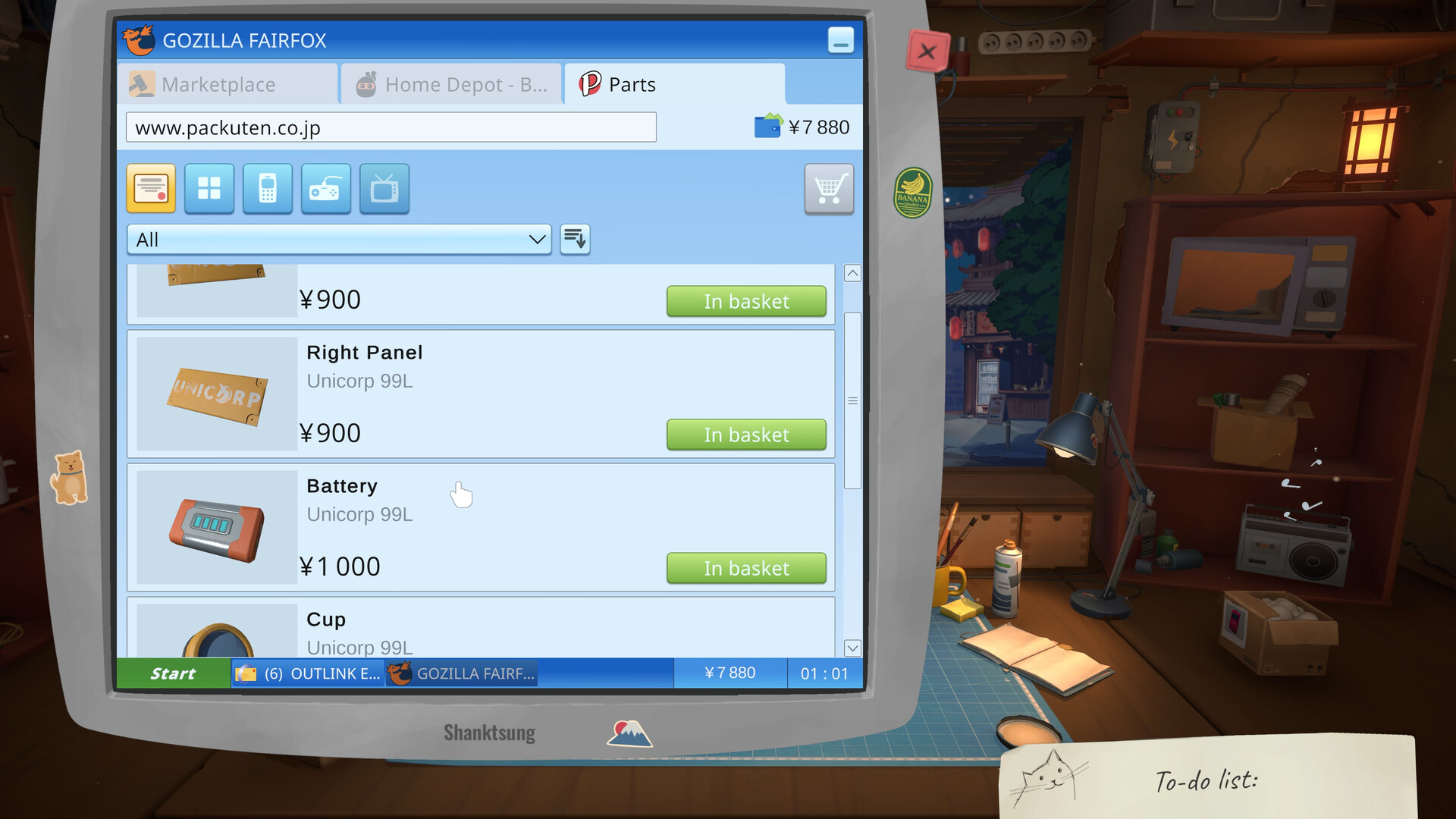
- 03Replacement · source the faulty part.
- 04Assembly · close the handoff.
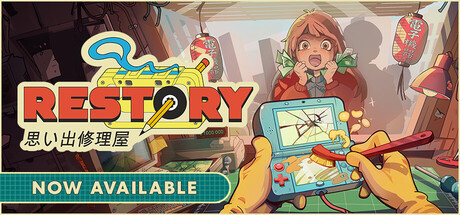
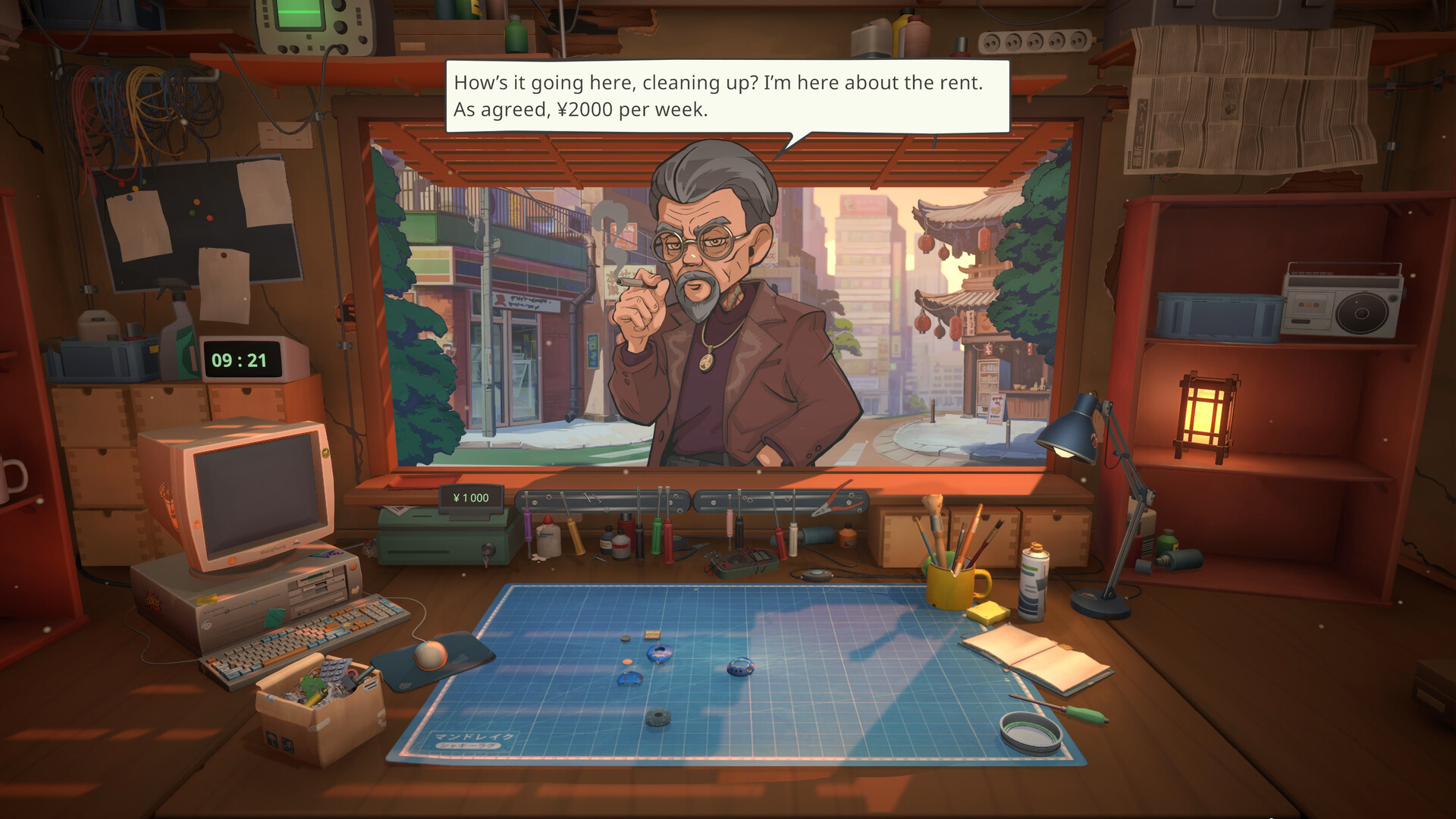
ReStory: Chill Electronics Repairs is a repair-shop simulation set in mid-2000s Tokyo. You take in unwanted or malfunctioning electronics, decide how to handle each request, and grow a small shop through practical work and conversations. The official store description connects the shop loop to customer stories, finances, room changes, and a broad range of devices rather than to a single console catalog.
Use this front page as a work-order index. The current captured build is full-release-1.0.009r, with the first post-launch update dated August 11, 2026. Open the first shift for a playable sequence, the repair bench for the four physical stages, or the records routes when you want a bounded list of devices, achievements, characters, platforms, or announcements.
A Tokyo shop with a repair-first loop
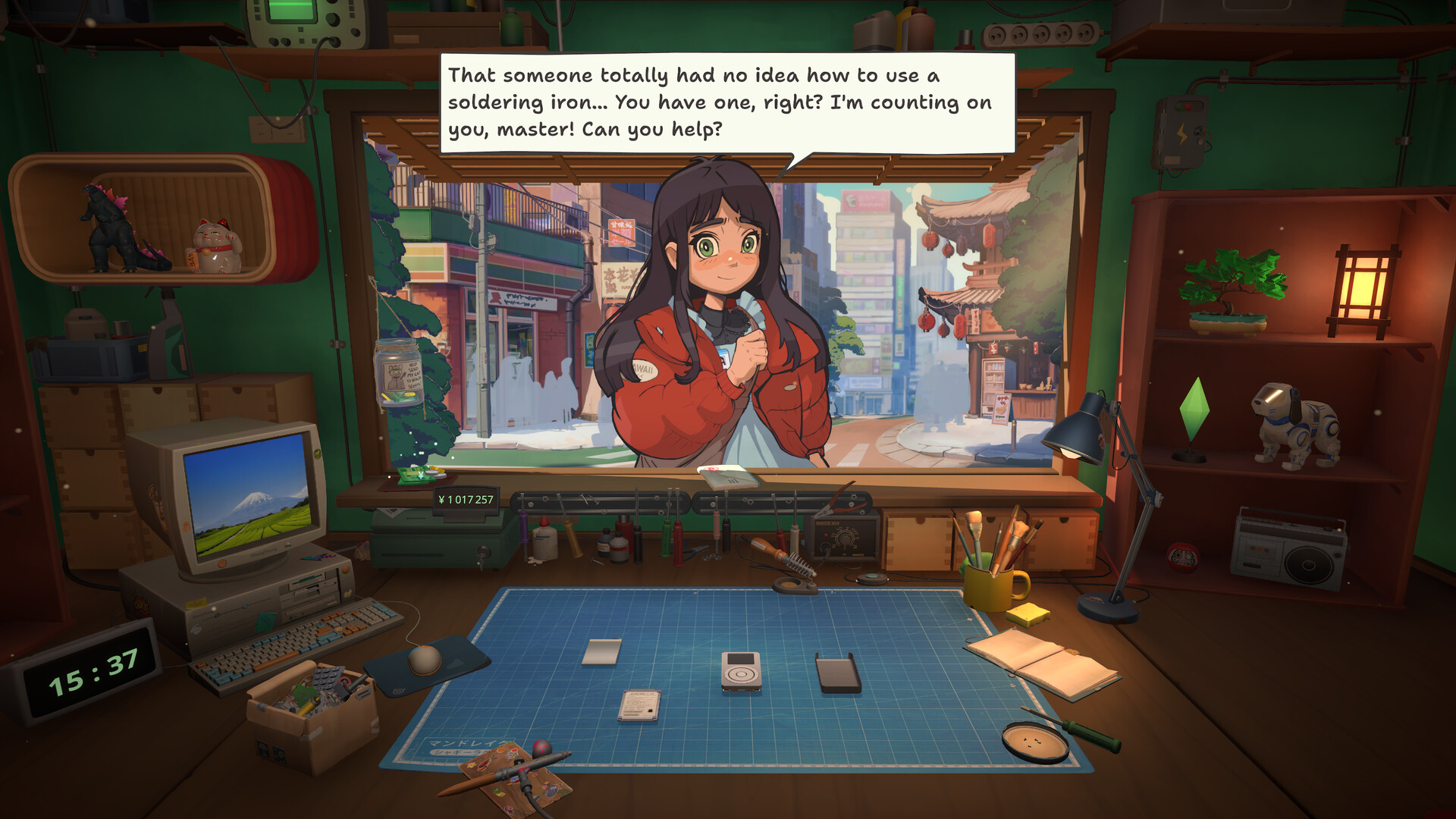
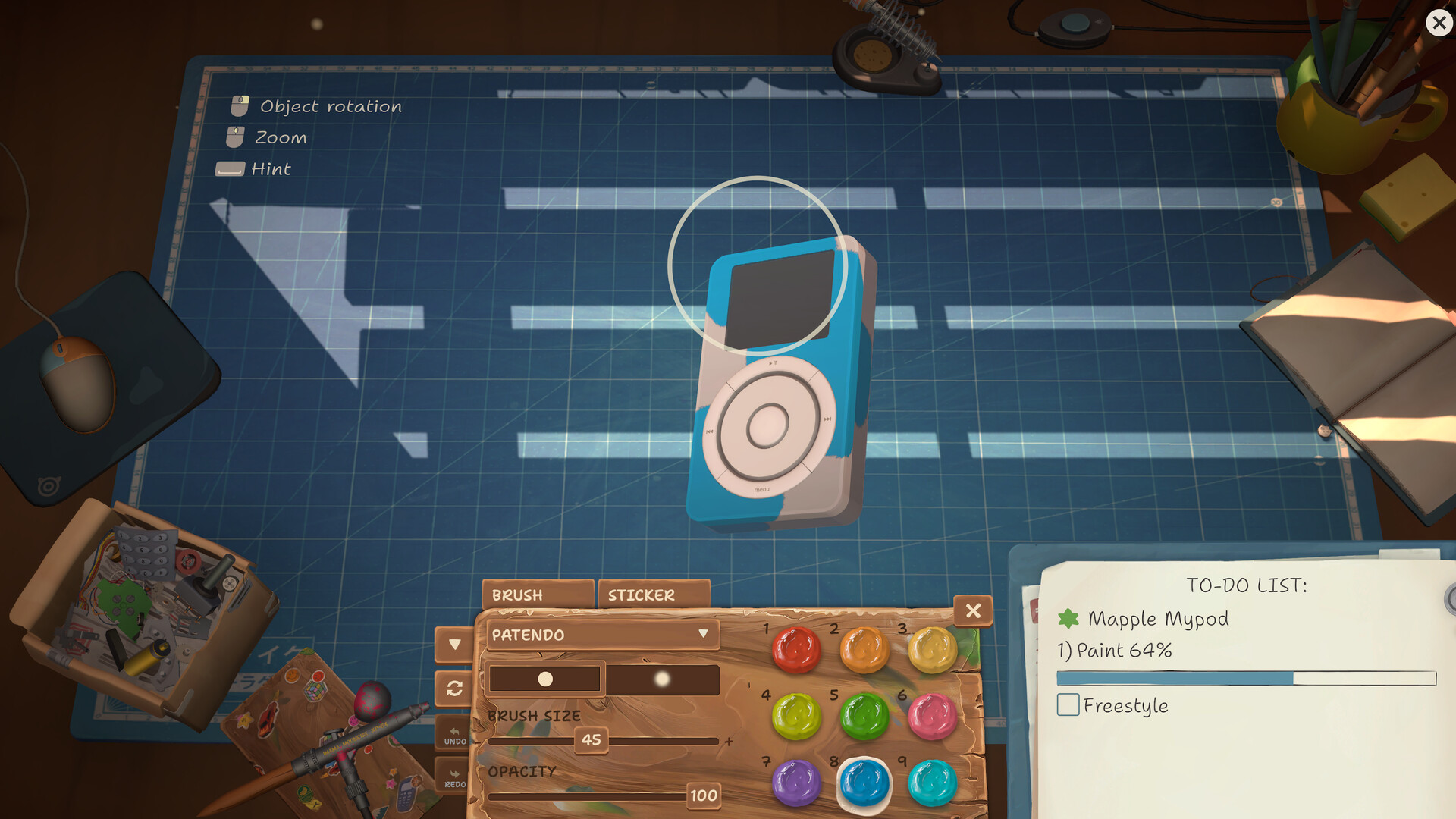
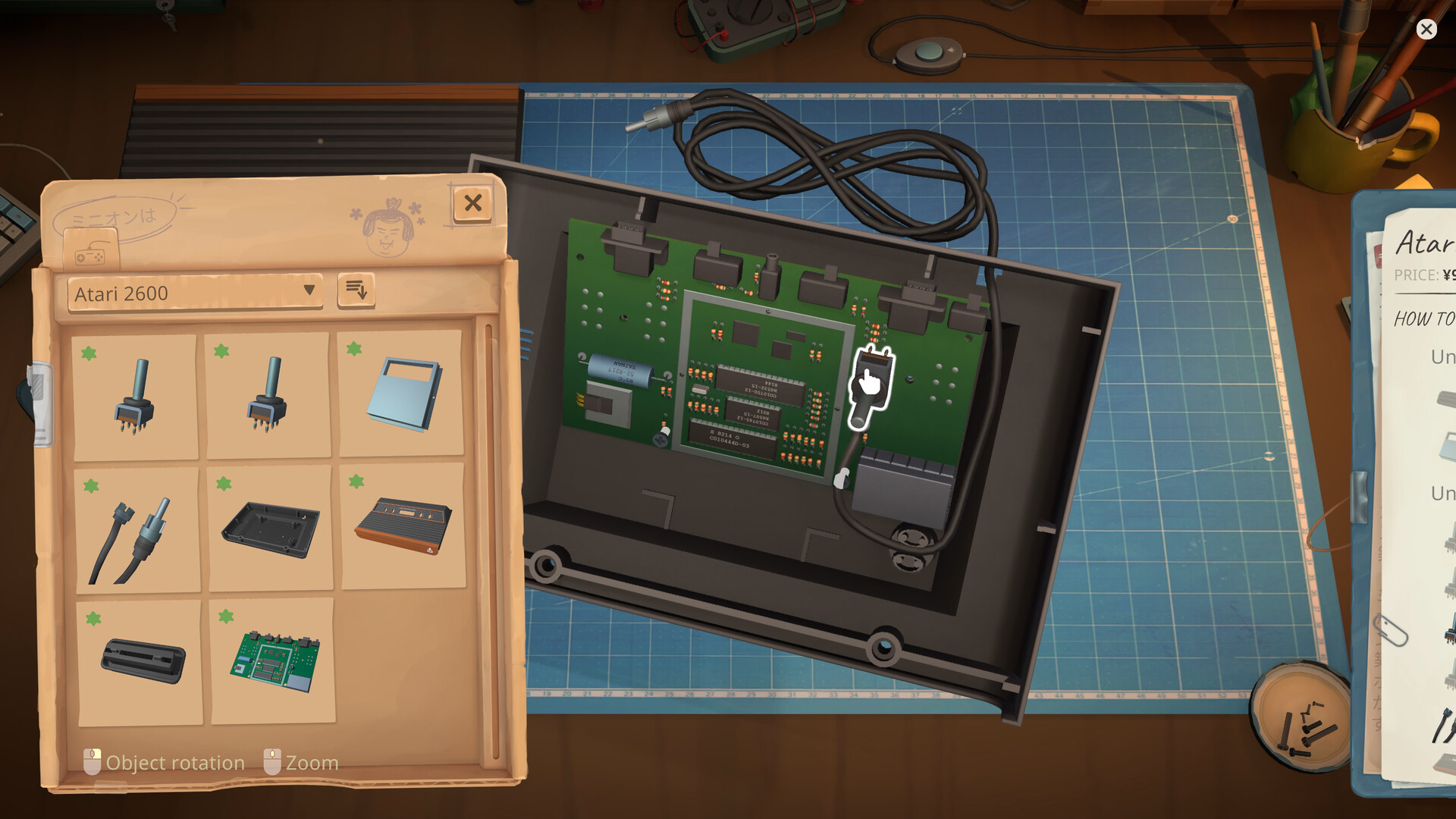
The game places the player in a mid-2000s Tokyo electronics shop where repair work and shop management share the same rhythm. A customer request begins the job, but the job is not reduced to pressing a single repair button. The store material describes taking devices apart, cleaning them, replacing faulty parts, and assembling them again with tools. That sequence gives a useful mental model for the workbench: inspect the request, open the object, clear the problem, and return a working device.
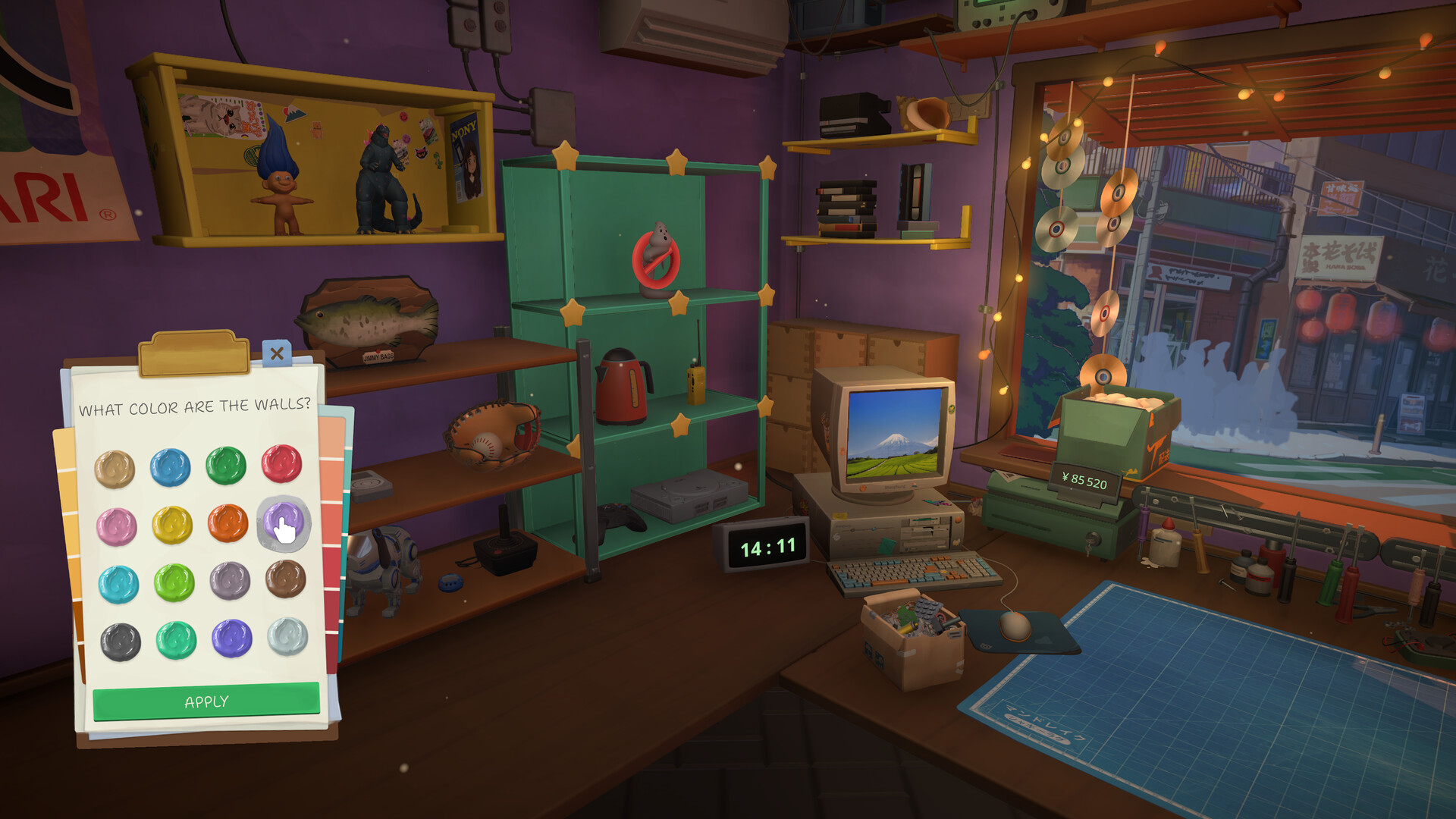
The surrounding shop loop matters because repairs fund the business. The published description names incoming orders, finances, growth, and room customization alongside the hands-on tasks. It also distinguishes in-person requests from online orders, so a player can think of the counter as a queue of customer relationships rather than a static level menu. The shop is cozy in tone, but its decisions still have practical consequences for money, time, and which stories reach the player.
What can land on the counter
The captured device scope covers consoles, handhelds, phones, cameras, music players, and home appliances. The named records include officially licensed Atari hardware, the Atari 2600 and Atari 2800, the CX40 joystick, Pokia N-Joy, Patento BS, Palaloid, Guitar Legend, MyPod, and several fictional devices. This list is intentionally bounded: it is a record of names that appear in the supplied game material, not a promise that every real-world product in a category is playable.
Patento BS is the current work-order example used across this interface because the official screenshot set shows the device opened on a repair table and the data record names it directly. The device page separates that name from the broader categories of handhelds and consoles. When a route says that a device is shown, named, or officially licensed, the wording follows the captured record so players can tell a pictured object from a general category.
Repairs connect to customer stories
Customers are not only delivery labels. The official character material names a landlord, a courier, an inspector, a hostess, a child, a rival repairer, and Baketsu, a mysterious online Pac-Man champion. Their hobbies, favorite foods, and favorite games give the shop a social texture, while the store description says that customer stories and branching choices can lead to multiple endings. The available record for Baketsu is particularly specific about an anonymous blog covering retro-game bugs and reviews.
The choice boundary is worth keeping clear. The sources establish branching choices and multiple endings, but they do not provide a complete decision tree or a universal ending guide. This reference therefore explains who the named customers are and how the shop loop frames their requests without inventing outcomes. For a first playthrough, read the customer route after learning the repair sequence so story decisions have a mechanical context.
Choose a useful starting route
Start with First shift if you want the order of a normal job: request channels, intake, the repair stages, and handoff. Choose Repair bench when you already understand the premise and want a closer look at disassembly, cleaning, faulty-part replacement, and assembly. Akiba shop focuses on orders, finances, the landlord relationship, customization, and the place where the work happens.
The record routes are designed for quick checks. Devices gives the 20 captured records and links Patento BS to a detail page. Achievements records the official total of 50 and the ten named highlighted entries that are safe to list. Platforms and release separates Windows, macOS, Steam Deck Playable status, release dates, price observations, and version contexts. Updates, FAQ, Glossary, and Known and fixed issues are the shortest route to a specific fact.
Launch trailer
The official Steam store launch film is the visual entry point for the shop, its devices, and its repair atmosphere.